Modern Pool Trends in Florida You Need to Know: Custom Designs, Energy Efficiency, and Smart Automation
Modern pool trends in Florida combine evolving design aesthetics with energy-efficient systems and smart automation to deliver premium outdoor living suited to the state’s climate and lifestyle. Homeowners in Tampa Bay and across Florida are prioritizing custom pool design, sustainable systems, and integrated automation to reduce operating costs while enhancing comfort and entertainment value. This article explains the leading custom designs, shows how energy-efficient technologies reduce utility use, outlines smart automation features that simplify maintenance, and compares saltwater and eco-friendly options for coastal homes. You will also find practical landscaping and outdoor living ideas, plus maintenance and safety best practices tailored to Florida’s heat, humidity, and salt air. Read on to learn which design choices and technical upgrades deliver the best combination of beauty, longevity, and value for Tampa Bay homeowners considering a modern pool upgrade.
What Are the Latest Custom Pool Designs and Styles Popular in Florida?
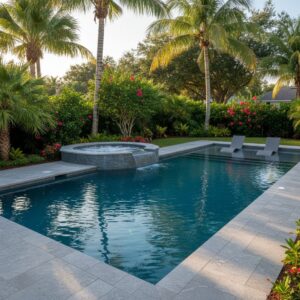
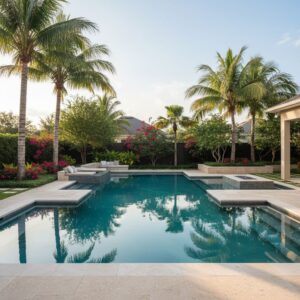
Custom pool design in Florida emphasizes architectural integration, durable materials, and lifestyle-driven features that match coastal views and year-round outdoor living. Designers favor forms that frame water views—vanishing edge or infinity designs—and shallow lounging areas like sun shelves that extend living space into the pool. These choices use materials resistant to corrosion and UV, and they balance visual impact with practical drainage and storm resilience. The result is a pool that functions as both a centerpiece for entertaining and a durable asset that stands up to Florida’s climate stresses.
How Do Luxury Pool Features Enhance Tampa Bay Outdoor Living?
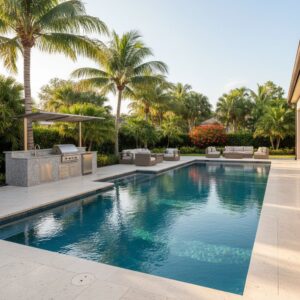
Luxury pool features change how families use outdoor space by blending water, leisure, and hospitality elements into cohesive designs. Integrated spas, built-in sun shelves, and connected outdoor kitchens create multiple activity zones so homeowners can host, relax, or dine without leaving the pool area. Fire features and tiered water elements add ambiance and curb appeal while engineered circulation systems maintain comfort and water clarity. These features boost property appeal and daily enjoyment, and they often pay back in perceived home value and increased time spent outdoors.
Which Custom Pool Design Trends Reflect Florida’s Unique Climate and Lifestyle?
Design trends in Florida prioritize shade, corrosion-resistant components, and flexible water management to handle heavy rain events and salt-laden air. Orientation and landscaping reduce sun exposure on seating areas, while hardy decking materials and stone finishes stand up to humidity and coastal spray. Naturalistic designs that incorporate native plantings and generous drainage channels reduce maintenance and improve storm resilience. Homeowners who plan with regional climate in mind enjoy longer-lasting finishes and more reliable systems over the pool’s lifecycle, which is essential in coastal Tampa Bay settings.
Popular design styles for Florida pools include:
- Infinity/vanishing edge pools for waterfront views and dramatic sightlines.
- Sun shelves and shallow lounging areas for family-friendly relaxation and gradual entry.
- Naturalistic pools with rockwork and native plant buffers to fit tropical landscapes.
These styles work together to create outdoor spaces that are visually striking, comfortable year-round, and better suited to Florida’s weather patterns.
For homeowners interested in turning trends into reality, Aqua Dreams offers personalized design consultations and bespoke pool construction that integrate these modern styles with materials and finishes chosen for Florida conditions. Their approach pairs high-end craftsmanship with options to incorporate durable stone, quartz finishes, and premium lighting systems that complement each design choice.
How Are Energy-Efficient Pools Transforming Florida’s Outdoor Spaces?
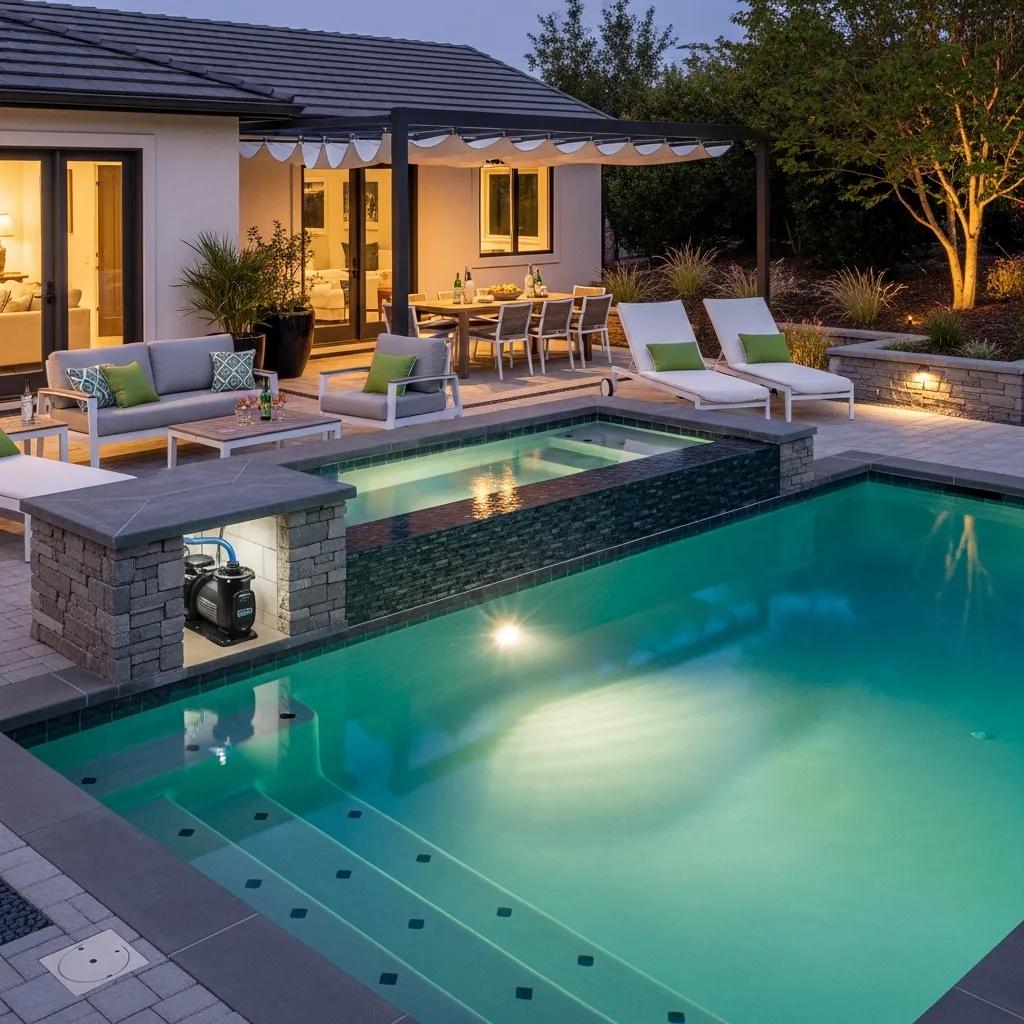
Energy-efficient pools reduce operating costs and environmental impact while preserving a luxury experience through quieter pumps, smarter controls, and efficient heating. Key innovations—variable-speed pumps, properly sized heat pumps or solar-assisted heating, automated schedules, and LED lighting—lower kWh consumption and improve system longevity. These technologies work together: efficient circulation reduces filter runtime, smart schedules limit heater demand, and LED fixtures cut lighting loads, producing measurable savings without compromising comfort. For Tampa Bay homeowners, the payoff is lower utility bills, quieter equipment, and systems that integrate seamlessly into high-end pool designs.
What Technologies Make Pools More Energy Efficient in Florida?
Variable-speed pumps, heat pumps, and LED lighting form the core of an energy-efficient pool system by reducing runtime and improving heat transfer efficiency. Variable-speed pumps can lower energy use by 50–70% compared with single-speed models because they allow circulation at the precise flow required for filtration and automation. Heat pumps transfer heat with higher efficiency than gas heaters in Florida’s warm climate, offering consistent temperatures with lower operating cost. Automated schedules, sensors, and covers further reduce wasted runtime and energy consumption by aligning equipment operation with actual usage patterns.
| System | Energy Use / Typical Savings | Typical Cost Range |
|---|---|---|
| Variable-speed pump | 50–70% less energy vs single-speed; quieter operation | $800–$2,000 |
| Heat pump | 60–80% more efficient than gas heaters in warm climates; lower annual fuel costs | $2,000–$5,000 |
| LED pool lighting | 70–90% less energy than halogen; longer lifespan | $200–$1,000 |
This table clarifies trade-offs between upfront investment and ongoing energy savings, which helps homeowners prioritize upgrades based on budget and usage.
Upgrading to efficient equipment typically requires compatibility checks with existing plumbing and electrical systems, and professional sizing ensures systems operate in their optimal range. For homeowners in Tampa Bay, combining multiple efficiency measures—such as a variable-speed pump with a heat pump and smart scheduling—delivers the strongest operational savings and best guest experience.
How Do Energy-Efficient Pools Benefit Tampa Bay Homeowners?
Energy-efficient upgrades lower monthly operating costs, extend equipment life, and reduce maintenance demands, delivering tangible financial and lifestyle benefits. Simple calculations show reduced electricity bills and shorter payback periods when efficient pumps replace older units, and pairing efficient heating with a well-insulated cover shortens warm-up time while lowering fuel consumption. Beyond direct savings, quieter pumps and more consistent water temperatures enhance the luxury experience, making outdoor spaces usable earlier in the day and later into the evening. These advantages compound over time, improving long-term value and reducing the likelihood of costly emergency repairs.
Energy-efficiency benefits summarized:
- Lower utility bills and predictable operating expenses.
- Quieter, longer-lasting equipment that improves user experience.
- Reduced environmental footprint through decreased energy consumption.
Aqua Dreams can advise on energy system packages and integrate variable-speed pumps and heat pumps into custom designs that balance upfront cost with projected operational savings.
What Smart Pool Automation Systems Are Leading Florida’s Modern Pool Trends?
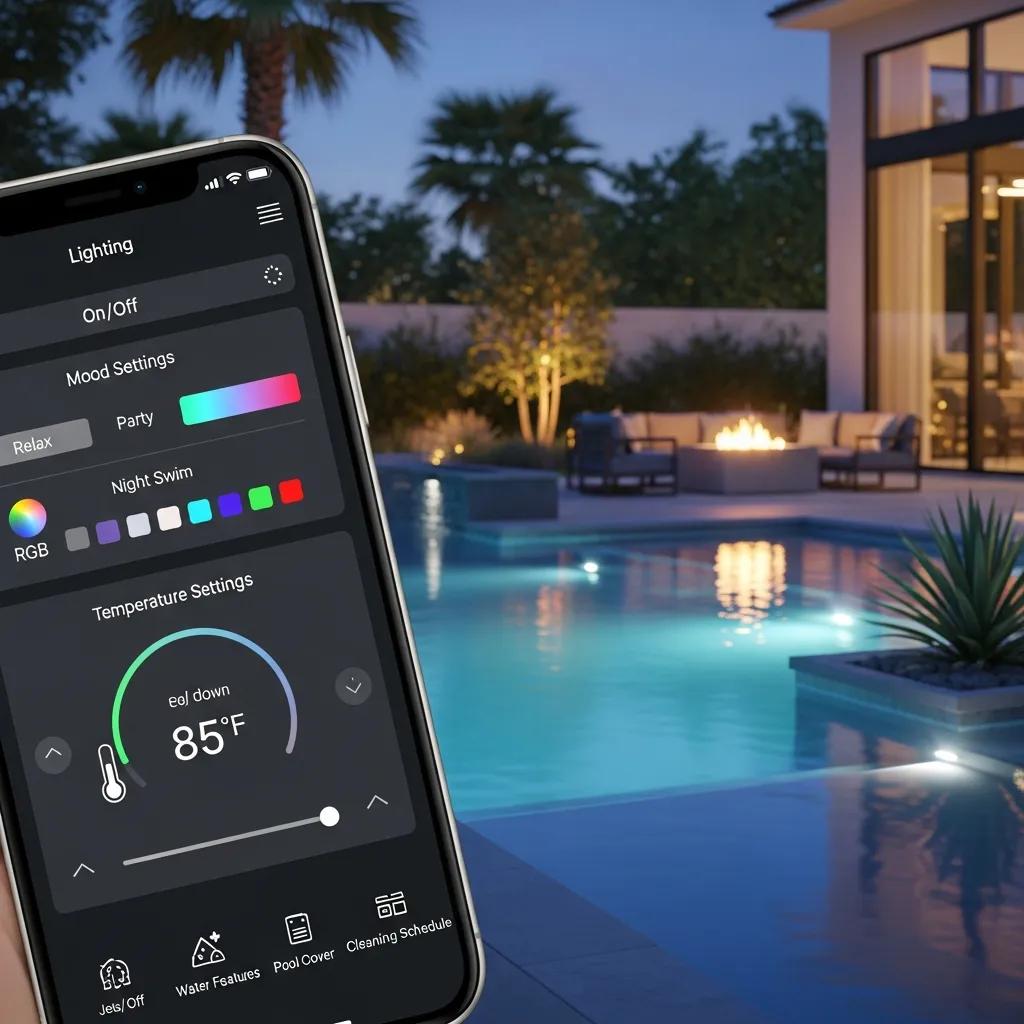
Smart pool automation systems streamline control, monitoring, and maintenance by centralizing functions like pump speed, heating, lighting, and chemical management into app-driven platforms. Automation products range from modular devices that control individual components to full-system controllers that coordinate filtration, heating, and smart schedules. These platforms improve water quality, reduce manual tasks, and allow homeowners to preheat pools or activate lighting remotely—features especially useful for Tampa Bay residents who host guests regularly. As connectivity improves, homeowners should consider integration, reliability in coastal conditions, and cybersecurity when selecting systems.
Which Smart Features Can Be Integrated Into Florida Pools?
Smart features commonly integrated into Florida pools include app-based scheduling, automatic chemical dosing, voice control, and sensor-driven alerts for temperature or water chemistry shifts. App control lets homeowners remotely adjust heating or lighting before arriving home, while automatic chemistry monitors maintain sanitizer balance and reduce manual testing. Voice assistants can activate scenes for entertaining, and sensors notify owners of leaks or equipment faults to prevent damage. When combined with energy-efficient hardware, these smart features optimize both convenience and operational cost.
Smart features to evaluate:
- Remote app control for pumps, heaters, and lights.
- Chemical monitoring and automated dosing to maintain water quality.
- Sensor alerts and scheduled scenes for hosting and safety.
| Automation Product | Key Features / Integrations | Price Range |
|---|---|---|
| Modular controller | App control, pump scheduling, basic sensor inputs | $500–$1,500 |
| Full-system hub | App + voice control, chemistry monitoring, multi-system integration | $1,500–$4,000 |
| Smart sensors | Chemistry, leak, and temperature alerts; API integrations | $200–$800 |
How Does Pool Automation Improve Maintenance and User Experience?
Automation reduces manual maintenance tasks by standardizing schedules, automating chemical dosing, and generating diagnostic alerts that prevent equipment failure. Scheduled low-speed circulation saves energy while maintaining water clarity, and predictive alerts allow service providers or homeowners to address issues proactively. Automation also enhances user experience by creating preset “scenes” (e.g., evening lighting plus warm spa) that activate with a single command, ensuring pools are guest-ready without last-minute adjustments. Overall, automation turns pool systems into manageable, reliable assets rather than a time-consuming chore.
For homeowners seeking full integration, Aqua Dreams offers custom automation planning that pairs smart controllers with energy-efficient pumps and lighting to deliver automated comfort and simplified maintenance as part of bespoke pool builds.
Why Are Saltwater and Eco-Friendly Pools Gaining Popularity in Florida?
Saltwater systems and eco-friendly materials appeal to Floridians who want lower chemical handling, reduced environmental impact, and finishes that withstand coastal conditions. Saltwater pools use salt chlorinators to generate chlorine more steadily, offering gentler water and simpler day-to-day management. Eco-friendly materials—such as recycled or low-VOC decking and durable, low-maintenance finishes—reduce lifecycle environmental impact and can improve long-term durability. These approaches must be balanced against equipment compatibility and potential corrosion risks in salt air, but they often match homeowner preferences for healthier, more sustainable outdoor living.
What Are the Advantages of Saltwater Pools for Florida Homes?
Saltwater pools deliver a softer bathing feel, lower perceived chlorine odor, and reduced need for manual chlorine handling, which many homeowners prefer for regular swimming and entertaining. They pair well with automated chemistry systems that maintain stable sanitizer levels, reducing the frequency of manual testing. However, salt systems can accelerate corrosion on certain metals if materials are not properly specified, so designers recommend corrosion-resistant fixtures and protective coatings in coastal installations. When specified correctly, saltwater systems provide comfortable water quality that aligns with Florida’s year-round swimming lifestyle.
How Do Eco-Friendly Materials and Systems Support Sustainable Pool Design?
Eco-friendly materials—low-VOC finishes, recycled composite decking, and durable stone—reduce environmental impacts while offering longevity and lower maintenance demands. Efficient pumps and heaters further shrink operational emissions and energy use. Selecting materials with high durability reduces replacement frequency and lifecycle cost, which is a core sustainability principle. These choices support a cohesive sustainable strategy: lower chemical use, efficient equipment, and resilient materials reduce a pool’s overall environmental footprint while maintaining the luxury standards expected in Tampa Bay properties.
| Pool Type / Material | Maintenance Needs | Environmental Impact |
|---|---|---|
| Saltwater system | Moderate; less manual chlorine handling | Lower chemical transport/handling impact |
| Traditional chlorine | Higher manual dosing and monitoring | Greater chemical use and handling |
| Recycled composite decking | Low maintenance; long lifespan | Reduced embodied carbon vs new timber |
How Are Outdoor Living and Landscaping Trends Complementing Modern Florida Pools?
Outdoor living trends pair pools with layered functional spaces—alfresco kitchens, shaded lounges, and landscape buffers—to create year-round living environments. Designers favor palettes and hardscapes that reduce maintenance and resist salt and humidity, while flexible layouts accommodate casual family use and larger entertaining. Strategic plantings provide privacy, shade, and wind mitigation without excessive debris falling into the pool, lowering maintenance. The design focus is on integrating the pool with the broader outdoor plan so every element—lighting, sound, cooking, and seating—works together for a cohesive guest experience.
What Landscaping Styles Best Enhance Luxury Pool Areas in Tampa Bay?
Landscaping for Tampa Bay emphasizes salt-tolerant plants, resilient hardscapes, and structured shade elements to balance sun exposure and storm resilience. Native palms, ornamental grasses, and broadleaf shrubs provide tropical character while requiring less irrigation and replacement. Hardscape choices like textured stone or composite decking reduce slips and endure moisture, while strategic wind buffers preserve calm pool surfaces. These palettes create privacy and visual continuity between house and water, improving both comfort and long-term durability in coastal settings.
Recommended planting and materials:
- Salt- and wind-tolerant plantings to reduce replacement and maintenance.
- Low-maintenance hardscapes like stone or composite decks for durability.
- Shade structures and pergolas to extend daytime comfort and protect finishes.
How Are Outdoor Living Spaces Evolving Around Modern Pools?
Outdoor living spaces now function as extensions of indoor living with integrated kitchens, retractable shade, and embedded technology for sound and lighting control. Multi-zone layouts let hosts run separate activities—cooking, dining, lounging—without crowding the pool, and flexible furnishings adapt spaces from intimate evenings to larger gatherings. Tech-enabled elements such as weather-resistant audio, scene lighting, and automated shades create polished experiences that complement smart pool automation and energy management strategies. This evolution prioritizes usability and comfort while maintaining cohesive visual design.
What Are the Best Practices for Maintaining and Ensuring Safety in Modern Florida Pools?
Maintaining modern pools in Florida requires consistent chemistry management, routine equipment checks, and safety features designed for local conditions. Seasonal checklists should include testing and balancing water chemistry, inspecting pumps and filtration, verifying automation alerts, and checking corrosion-prone fittings after storms. Safety essentials—compliant fencing, self-closing gates, anti-entrapment drain covers, and alarms—reduce risk while preserving design aesthetics. Combining automation with scheduled professional service ensures both reliability and regulatory compliance for custom pools.
How Can Energy-Efficient and Automated Pools Be Maintained Effectively?
Automated systems require routine firmware and sensor checks, scheduled calibration for chemical dosing, and verification of automation schedules against actual pool usage. Regular inspection of variable-speed pumps and heat pumps prevents small issues from becoming costly repairs, and cleaning strainers and filters on a planned cadence preserves flow and efficiency. Homeowners should pair automated alerts with a qualified service plan so remote diagnostics translate into timely maintenance actions. Consistent attention to these tasks sustains energy savings and reduces lifecycle costs while maximizing system uptime.
Maintenance checklist for automated/efficient pools:
- Verify automation schedules and firmware quarterly to ensure accurate operation.
- Inspect pump seals, plumbing, and electrical connections every 3–6 months.
- Clean filters and check chemical feeds monthly or as automation indicates.
These steps protect both performance and energy savings by catching wear early and aligning maintenance with actual system demands.
Aqua Dreams recommends integrating trusted maintenance products—such as salt chlorinators, eco-friendly chemical options, and quality safety covers—as part of a managed service plan to simplify upkeep and preserve finishes in Florida’s climate.
What Safety Features Are Essential for Florida’s Custom Pools?
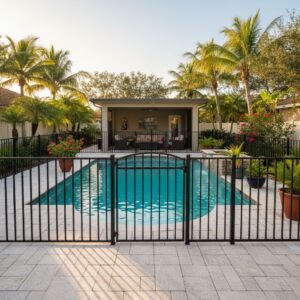
Essential safety features include secure fencing with self-latching gates, compliant anti-entrapment drain covers, pool alarms tied to automation platforms, and weather-ready covers for storm periods. Placement of safety elements should balance code compliance with design goals so aesthetics and protection coexist. Integrating alarms and gate sensors into a pool’s automation controller provides immediate notifications to homeowners and service providers, enhancing response times. Prioritizing these features during the design phase ensures a safer, more reliable pool environment without detracting from a luxury finish.
Core safety features to implement:
- Compliant fencing and self-closing gates to restrict unauthorized access.
- Anti-entrapment drains and updated circulation fittings to meet safety standards.
- Integrated alarms and cover systems that connect to automation platforms for remote alerts.
These measures reduce risk while preserving the beauty and usability of custom Florida pools.