Introduction
Imagine stepping into your backyard oasis on a warm Tampa Bay afternoon, only to find that your pool is showing signs of wear and tear. Pool surfaces can deteriorate due to Florida’s humid climate, making it essential for homeowners in affluent neighborhoods like Davis Islands and Hyde Park to understand when to consider replastering. If you’re noticing rough patches, discoloration, or even algae buildup, it might be time to look into your resurfacing options. In this guide, we’ll break down when and why you should consider replastering your pool, and how Aqua Dreams can help you rejuvenate your backyard retreat.
When Should I Consider Replastering My Pool?
If you’re questioning whether to replaster your pool, the first sign to watch for is rough or scaley surfaces. Replastering is often necessary when homeowners notice fading colors or the presence of cracks and chips. In South Tampa, where pools are popular for relaxation and entertainment, those indicators can disrupt the beauty and functionality of your outdoor space. Beyond aesthetics, rough surfaces can harbor algae and bacteria, making maintenance more challenging. It is advisable to consider replastering every 10 to 15 years, depending on usage and weather conditions. Contact us if you’re in need of a free consultation to assess your specific situation and get expert advice tailored to your unique pool needs.
What Are the Benefits of Replastering My Pool?
Replastering your pool offers numerous advantages, particularly in enhancing the pool’s lifespan and overall safety. Benefits include improved aesthetic appeal, as a fresh layer of plaster can restore the shine and make it inviting for families in neighborhoods like Belleair. Additionally, replastering can help seal any minor leaks that might have developed over the years, reducing potential water loss and improving energy efficiency. Moreover, replastering is done with shotcrete, a superior methodology that provides a more durable and dense finish compared to traditional gunite applications. With our licensed Certified Pool/Spa Contractor CPC1461032 and over 20 years of experience, we ensure that every job meets the highest standards, providing lasting beauty and utility.
How Does the Replastering Process Work?
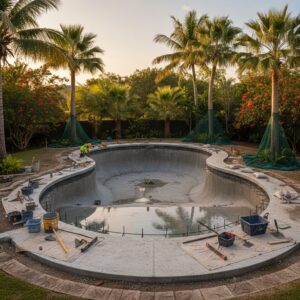
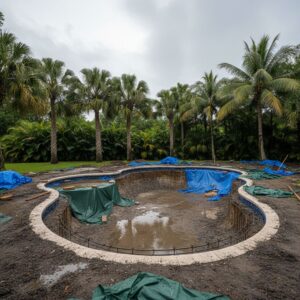
The replastering process generally involves several crucial steps to ensure a successful and durable outcome. First, we assess the existing surface to determine the necessary prep work, including draining the pool. Next, our team prepares the surface by removing the old plaster, followed by cleaning and patching any significant cracks or defects. Once prepared, a new layer of high-quality plaster is applied, ensuring an even and strong finish. This process, overseen by a state-licensed engineer, usually takes about 30 days from start to finish. For specific timelines and updates regarding your project, feel free to request a no-obligation estimate.
What Most Homeowners Don’t Realize About Pool Resurfacing?
What most homeowners don’t realize is that neglecting surface maintenance can lead to larger issues down the road. Whether you’re situated in Belleair Beach or Snell Isle, waiting too long to replaster can cause wear that may compromise the structural integrity of your pool. It can also lead to costly repairs that could have been avoided with regular upkeep. To keep your pool looking great and functioning well for years to come, having a routine resurfacing in your maintenance plan is vital. This proactive approach not only preserves your investment but enhances your outdoor enjoyment during those hot Florida summers.
Steps Involved in Replastering Your Pool
- Assessment: Evaluate the condition of your pool’s plaster to determine the extent of resurfacing needed.
- Draining: Safely drain the pool to prepare it for the resurfacing process.
- Surface Preparation: Remove old plaster, clean, and repair any underlying damage.
- Application: Apply new plaster using proven techniques with shotcrete.
- Finishing Touches: Ensure the new surface is properly cured and clean before filling back up.
By organizing these steps efficiently, we ensure a streamlined process, ideal for homeowners in Cheval and Tierra Verde.
Why Choose Aqua Dreams for Your Tampa Bay Pool?
When considering a pool remodel, choosing a team with the right qualifications makes all the difference. At Aqua Dreams, we hold the license CPC1461032 and are a Jandy Certified Builder, guaranteeing that every equipment part comes with a 3-year warranty. With over 20 years of experience in custom pool construction across Tampa Bay, we are committed to quality and excellence. Our replacement or renovation typically undergoes a thorough review by our licensed engineer, ensuring compliance with all necessary regulations. To see the stunning transformations we’ve accomplished, feel free to view our completed projects.
Ready to Start Your Pool Project?
Are you excited about transforming your pool into a stunning retreat? The first step is to reach out for a free estimate. Let’s design a solution tailored specifically to your needs, so you can enjoy your backyard oasis without worry. Request a no-obligation estimate today, and watch your vision come to life!
Summary
Short on time? Here’s the quick version:
The Situation: Your pool is showing signs of wear and may need resurfacing.
The Solution: Replastering is a beneficial process to restore beauty and functionality.
The Result: Aqua Dreams can have your pool ready from contract to swimming in 3-4 months.
Next Step: Get your free estimate
Frequently Asked Questions
What are the signs that my pool needs replastering?
Common signs include rough textures, discoloration, and visible cracking. Addressing these early can save you from major repairs.
How long does the replastering process take?
The replastering process typically takes around 30 days from assessment to completion, depending on the weather and specific conditions.
What is shotcrete, and why is it used?
Shotcrete is a high-density application method superior to traditional gunite, offering a more robust and durable finish to your pool.
Can I use my pool right after it’s been replastered?
You should wait for about a week after plastering to allow proper curing before filling your pool, but our team will provide guidance.
How often should I consider replastering my pool?
Generally, pools should be replastered every 10 to 15 years, but factors like location and maintenance can affect this timeline.